The problem
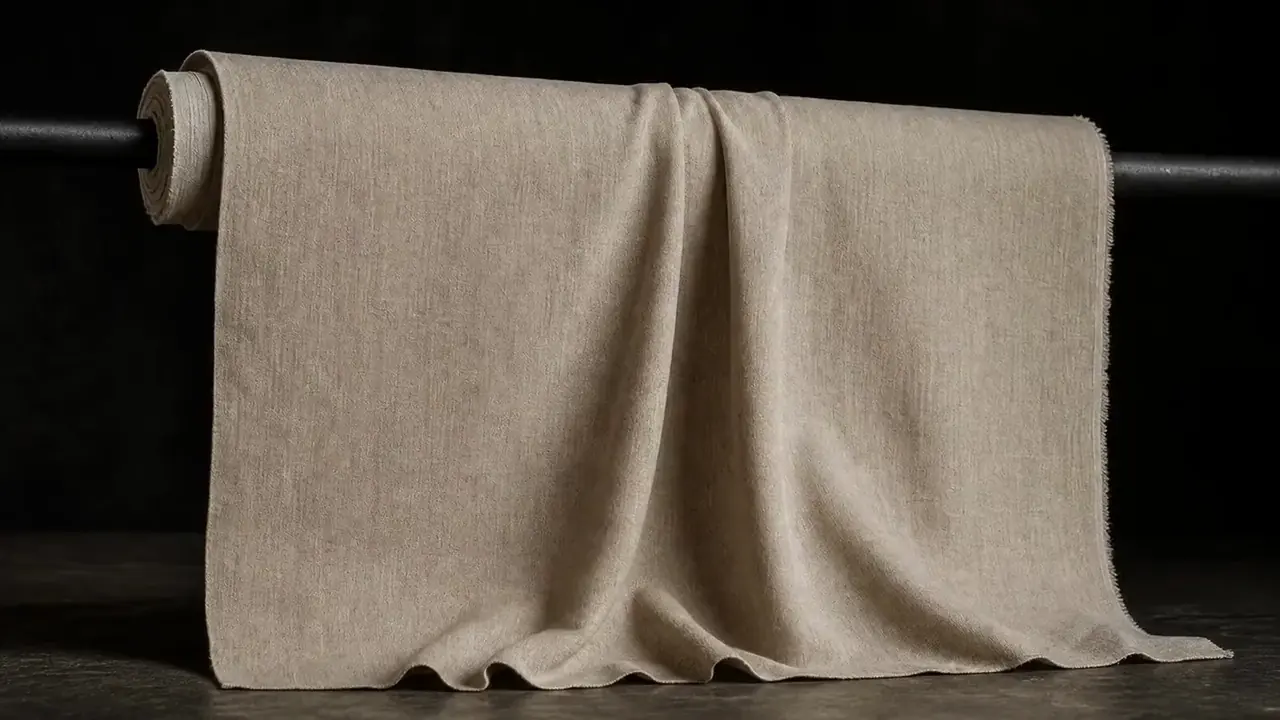
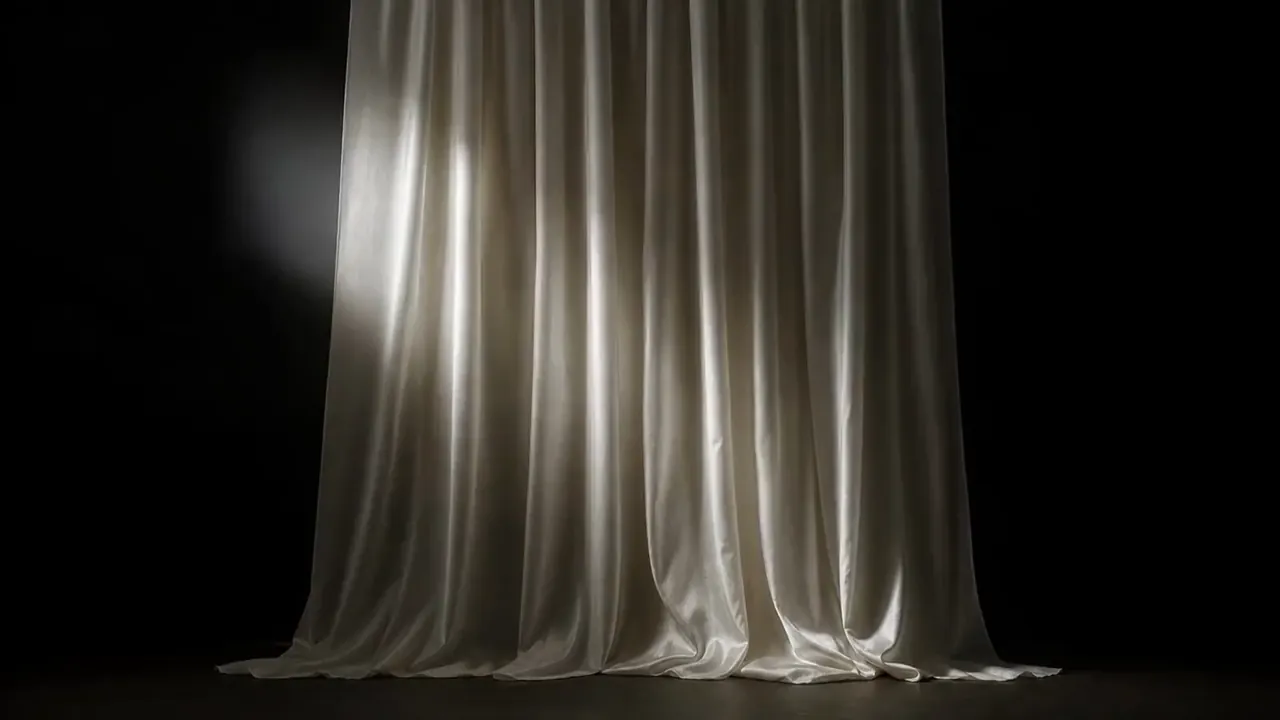
Cloth is alive. A photograph is not.
The same flat photograph could be a crisp acetate that falls in a clean column, or a soft viscose that clings to itself the whole way down. Those are two completely different garments, and no amount of light or resolution will tell them apart while the cloth is lying still.
Which is why the largest single category of returns is neither size nor colour. It is “not what I imagined” — and what people mean by that, almost always, is the handle and the drape.
Drapecast takes the photograph you already have and lets that cloth fall, so the weight and the flow of it can be seen instead of described.
The rule this is built on
We let the cloth move. We don't change the cloth.
- Allowed
- Falling, rebounding, swaying, folds forming and releasing, light moving across the cloth
- Never
- Colour, pattern, material appearance, silhouette, cut. Stains, pulls and wear are never removed
- Checked
- Every clip is compared against your photograph on colour and texture before it can be exported
Woven · Light · no audio track
01 / 06
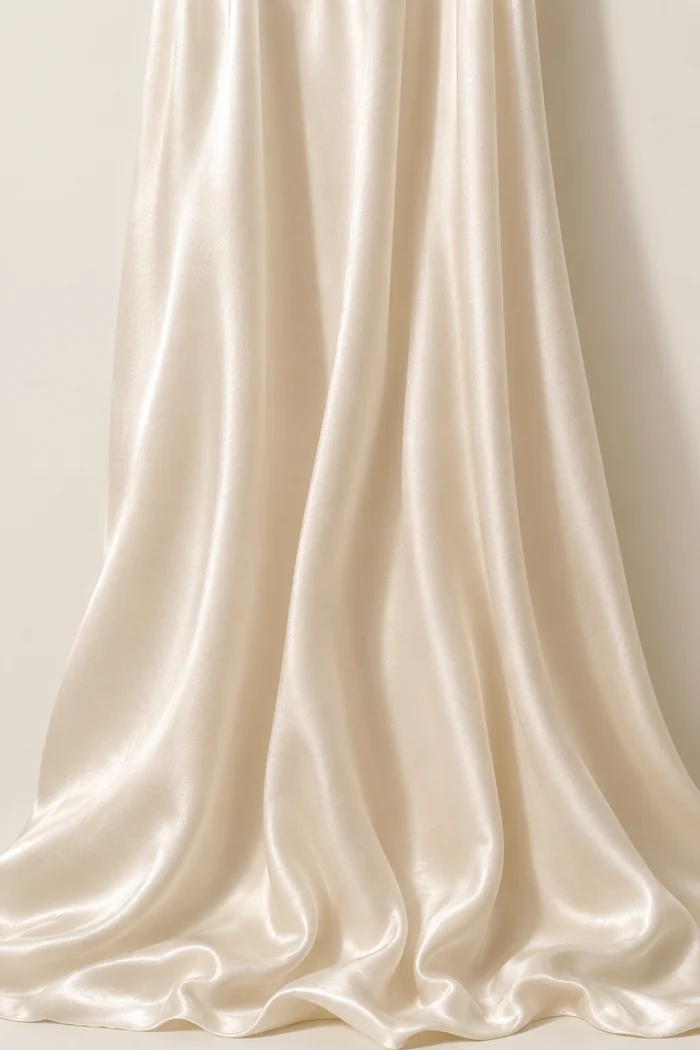
Silk charmeuse
Falls the whole way and keeps going. Gathers into fine close folds, then pools at the bottom instead of stopping.
What we said
“Vintage silk slip, very light, cut on the bias. It pools on the floor when you hold it up.”
Motion profile derived
- Fall
- 0.94
- Rebound
- 0.18
- Sway
- 0.86
- Wrinkle
- 0.22
Could not be settled
- Weight was described, not stated in grams — the fall shown assumes the lighter end of the band.
- Bias cut was described but cannot be confirmed from a flat photograph.
Woven · Medium · no audio track
02 / 06
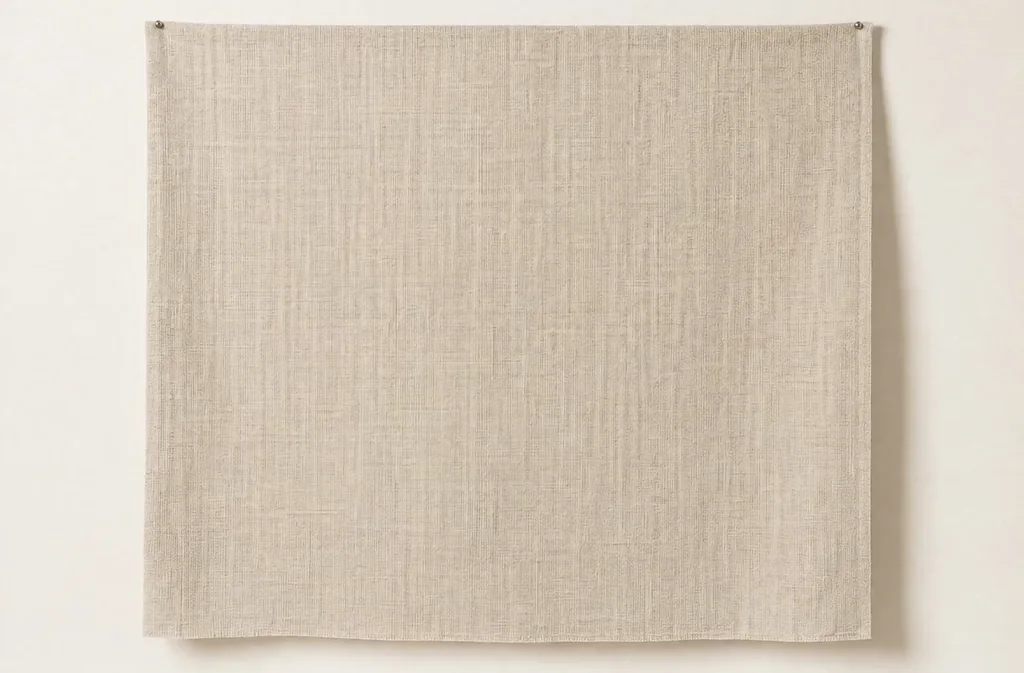
Washed linen
Breaks into a few wide dry folds with hard creases at the turns, swings once and is done.
What we said
“Linen shirting, washed a few times so it has gone soft. Wrinkles a lot.”
Motion profile derived
- Fall
- 0.62
- Rebound
- 0.34
- Sway
- 0.40
- Wrinkle
- 0.91
Could not be settled
- Number of washes was described; the softening it implies is an assumption.
- Crease sharpness varies with how the cloth has been stored and cannot be read from one photograph.
Woven · Heavy · no audio track
03 / 06
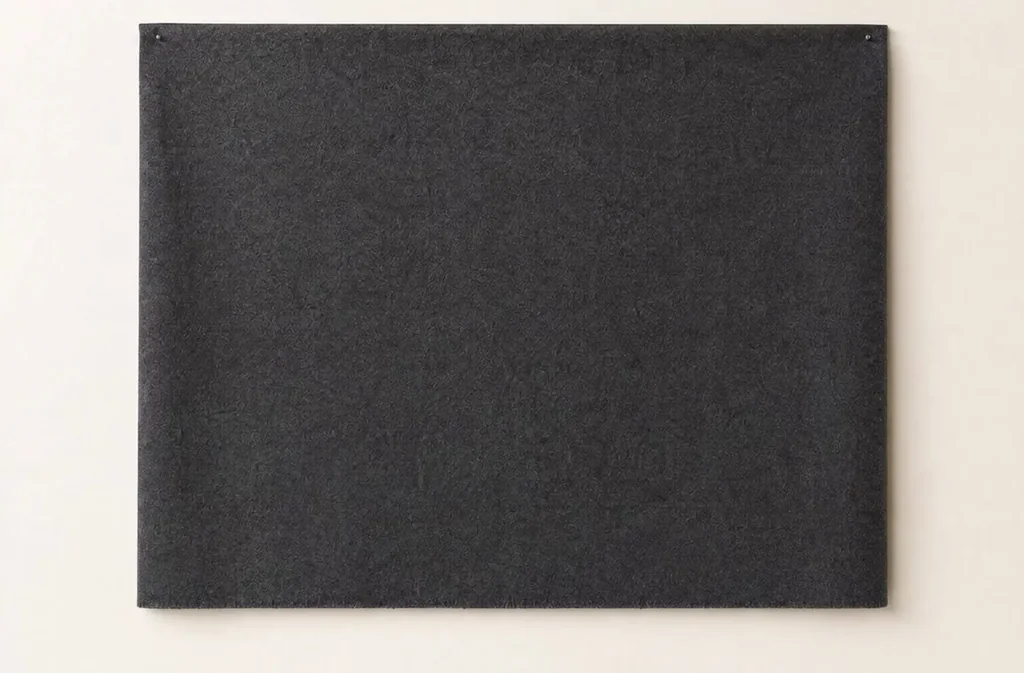
Wool melton
Drops straight down under its own weight, barely folds at all, and holds whatever shape it lands in.
What we said
“Heavy coating wool, structured. It doesn't move much.”
Motion profile derived
- Fall
- 0.24
- Rebound
- 0.08
- Sway
- 0.12
- Wrinkle
- 0.16
Could not be settled
- Density was described as heavy without a figure; the reading used the middle of the heavy band.
- Whether the cloth is fulled or only brushed changes the rebound and could not be read from the surface alone.
Woven · Light · no audio track
04 / 06
Viscose crepe
Clings inward as it falls, narrowing into soft vertical channels that keep shifting long after it should have settled.
What we said
“Soft viscose crepe, drapey, clings to itself. Feels cool and a bit heavy for how thin it is.”
Motion profile derived
- Fall
- 0.83
- Rebound
- 0.26
- Sway
- 0.58
- Wrinkle
- 0.44
Could not be settled
- The cool, dense handle described is characteristic of viscose but was not measured.
- Cling depends on finish and on humidity; neither is knowable from the photograph.
Knitted · Medium · no audio track
05 / 06
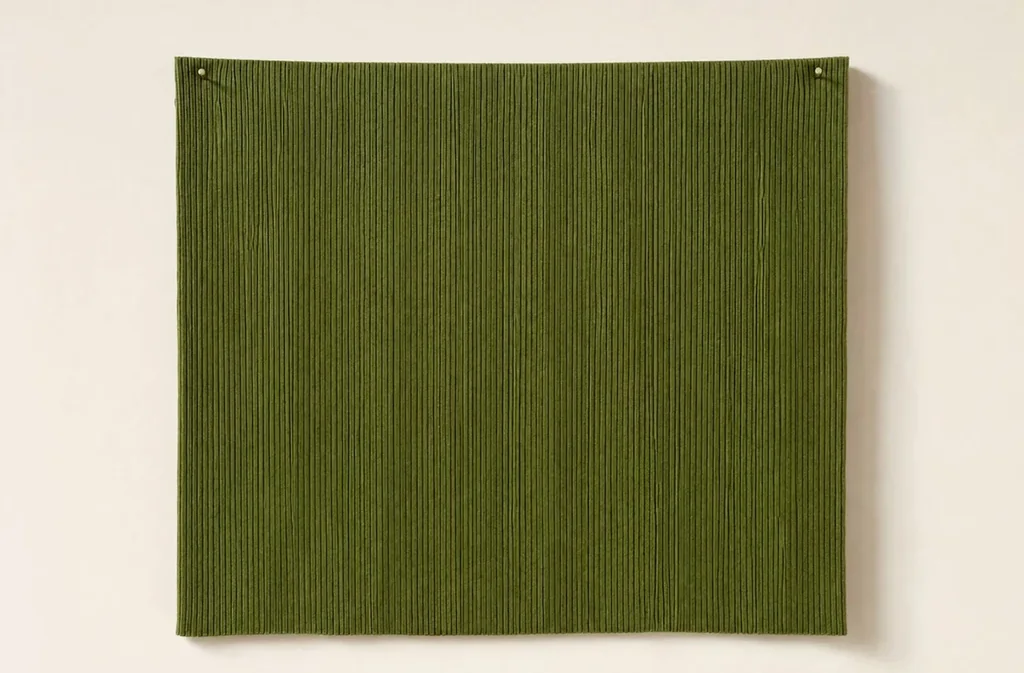
Cotton rib knit
Narrows as it falls — the ribs draw together and the whole panel lengthens, then springs back a little.
What we said
“Cotton rib, quite stretchy across, not much give lengthways. Heavier than it looks.”
Motion profile derived
- Fall
- 0.55
- Rebound
- 0.72
- Sway
- 0.30
- Wrinkle
- 0.28
Could not be settled
- Recovery depends on elastane content, which was not stated and cannot be seen.
- Stretch was described as across only; the reading treated lengthways stretch as minimal.
Woven · Medium · no audio track
06 / 06
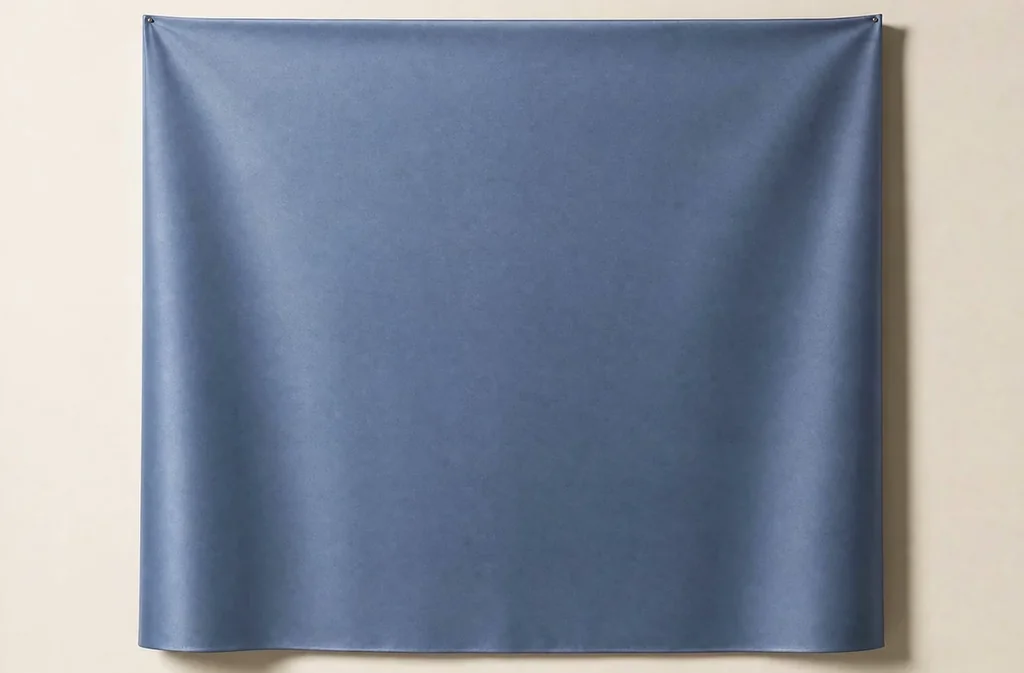
Acetate satin
Folds over itself in smooth wide plates, with light travelling along each turn. Swings twice before it stops.
What we said
“Acetate lining satin, slippery, holds a fold badly. Cool to the touch.”
Motion profile derived
- Fall
- 0.71
- Rebound
- 0.40
- Sway
- 0.63
- Wrinkle
- 0.35
Could not be settled
- Slip against itself was described and drives most of the fold shape; it was not tested.
- Lustre in the clip follows the lighting of the photograph, not a measured sheen.
How it works
Flat, described,
then released
The free plan takes a photograph all the way to three approved keyframes. By the time anything is charged you already know exactly how the cloth is going to fall — you are paying for the seconds of it moving, which is the part you cannot shoot without a backdrop, a fan and a slow shutter.
01
Upload the photo you already have
A flat lay or a shot on a rail. One image, no rig, no rephotographing. Nothing with a person in it — cloth does not need a body in the frame, and this service does not generate one.
- Reads
- Woven or knitted, surface, current folds, how the cut edge is behaving
- Costs
- 2 credits
02
Say what it feels like in the hand
The part no photograph carries. Weight, stiffness, how it behaves when you lift it. That description is turned into motion parameters — and where it disagrees with the photograph, you are asked which one is right rather than being overruled.
- Produces
- Three keyframes — start, middle, end — that you approve one at a time
- Costs
- 1 credit to describe, 5 per keyframe pass
03
Let it fall
Only once all three keyframes are approved. The clip comes back checked against your original for colour and texture, marked as a simulation in the pixels, cross-faded so it loops cleanly, and cut to three aspect ratios.
- Returns
- 9:16, 1:1 and 16:9, loop-safe, no audio track
- Costs
- 50 credits
The sample library
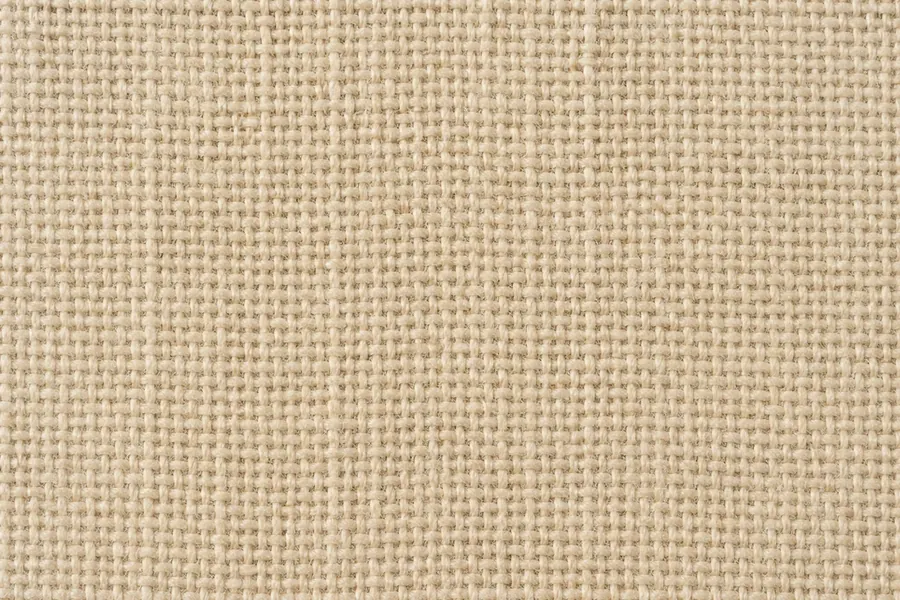
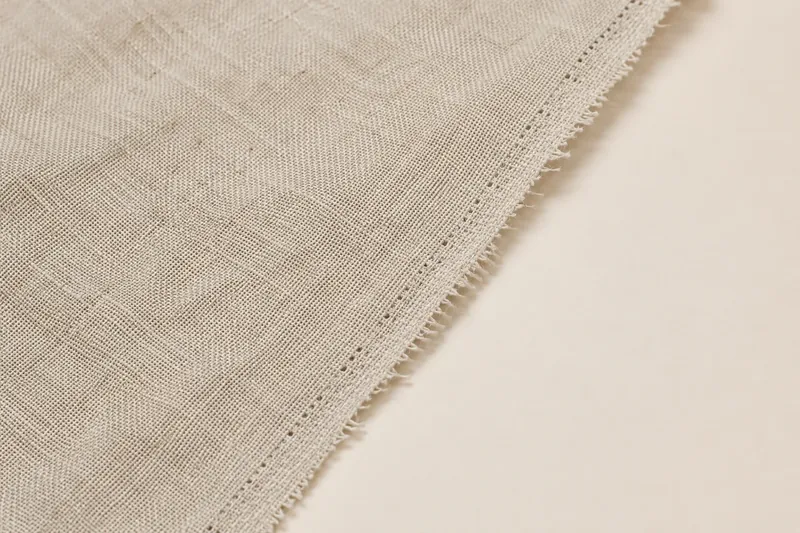
Six lengths of cloth, released
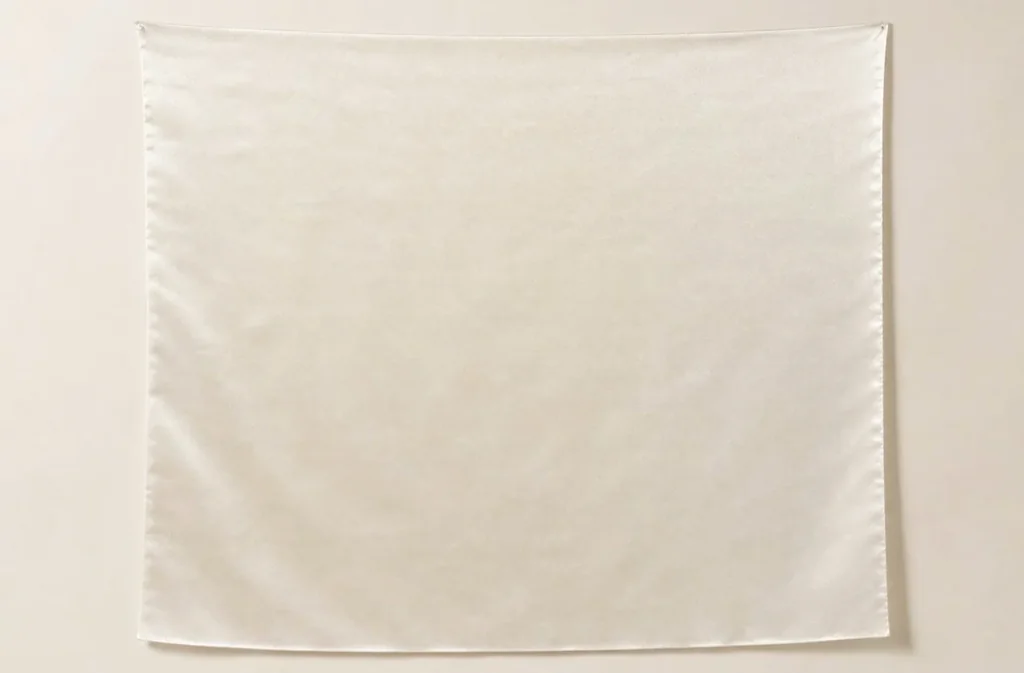
Every clip here came out of this pipeline: one flat photograph, a written description of the handle, three approved keyframes. Point at a card to let it fall. The toolbar does what you would do with a finished clip — watch it, loop it, and hold it against the original.
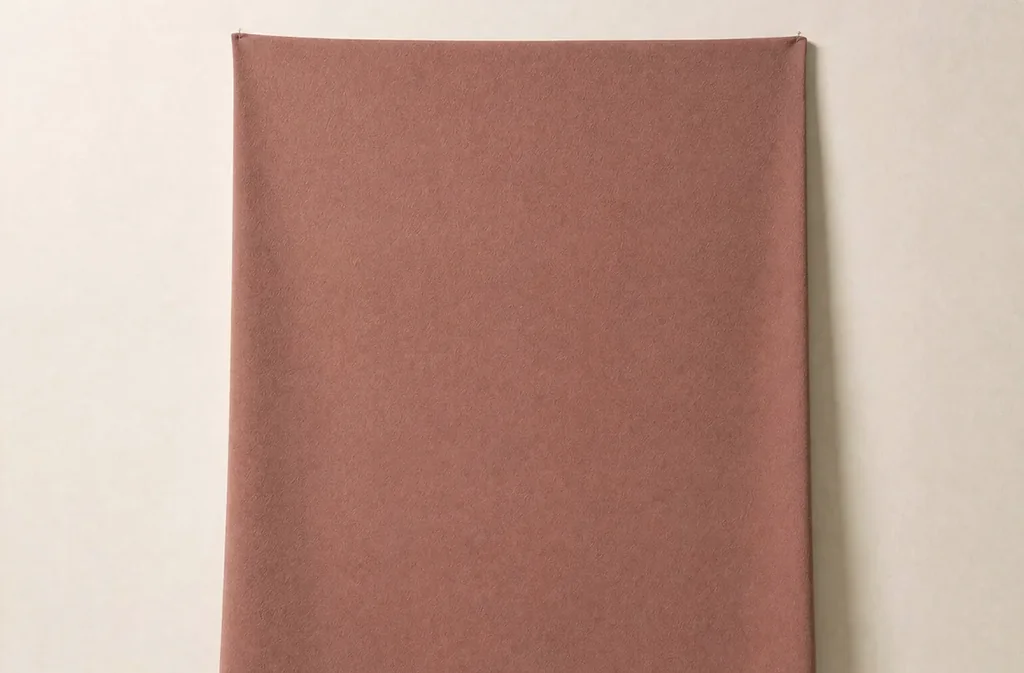
Silk charmeuse
Woven · Light
Washed linen
Woven · Medium
Wool melton
Woven · Heavy
Viscose crepe
Woven · Light
Cotton rib knit
Knitted · Medium
Acetate satin
Woven · Medium
The boundary
A demonstration, not a measurement
This shows how a fabric like this typically falls. It is not a measurement of this garment, and it is not a substitute for the buyer handling it.
The Simulated drape mark
Every clip carries it, and it is painted into the pixels on export rather than laid over the video in the page. Hiding an element in the browser does not remove it from the file.
The caveats list
Everything the reading could not settle is listed on the result and travels with the job. If you did not state a weight, the result says so instead of quietly picking one.
The consistency check
Colour is sampled on a grid and compared in CIELAB; surface texture is compared as gradient energy. Past either limit the export is blocked, not warned about.
Words we do not use
Not physically accurate. Not a precise simulation. Not a measured drape coefficient. The motion comes from a description and a photograph, and that is all it can come from.
Plans
Free until
it moves
The free plan covers the reading, the description and every keyframe adjustment — 50 credits is a reading, a description and nine passes at the keyframes. What it does not cover is the clip. By then you have already seen the first, middle and last frame, so you know precisely what you would be buying.
Prices in USD, inkl. MwSt. Renews automatically until cancelled.
Free
50 credits each month
$0USD
No card, no expiry
Enough to take one photograph all the way to three approved motion keyframes, adjusting them nine times over. You will know exactly how the cloth is going to fall before you decide to pay.
- Structure reading on your flat or hanging photograph
- Handle description, checked against what the photograph shows
- Three motion keyframes — start, middle, end — adjusted as often as you like
- Every caveat the reading could not resolve, shown in full
- 50 credits each month
- Video generation
- Three aspect ratios
- Loop-safe export
Fall
520 credits each month
$16USD / month
$154 if paid yearly
The plan where the cloth actually moves. A clip costs 50 credits, so this is around nine finished clips a month with room to keep adjusting the keyframes.
- Everything in Free
- Video generation — the cloth falls, rebounds, sways and settles
- 9:16, 1:1 and 16:9 from the same job
- Loop-safe output: cross-faded ends, loop point detection, loop preview
- No watermark beyond the Simulated drape corner mark
- 520 credits each month
- Batch upload
- Priority queue
- Multiple shop profiles
Choose FallCancel any time in one click under Billing. Cancelling takes the same number of steps as subscribing.
Bolt
2200 credits each month
$47USD / month
$451 if paid yearly
For a rail rather than a garment. Upload a batch, keep a separate overlay profile per shop, and jump the queue when a listing has to go up today.
- Everything in Fall
- Batch upload — a whole rail in one pass
- Priority queue
- Multiple shop profiles, each with its own overlay defaults
- 2200 credits each month
Choose BoltCancel any time in one click under Billing. Cancelling takes the same number of steps as subscribing.
Credits are a usage allowance for this service. They are not money, not stored value, not redeemable for cash and not transferable. Each plan issues its allowance for the current period only — whatever is unused at the end of that period expires, and there are no top-up packs. If you run out, a higher plan issues more.
What each step costs
- Chat turn — handle description into motion parameters
- 1 credits
- Structure reading — weave, surface, current folds
- 2 credits
- Motion keyframe generation or adjustment
- 5 credits
- Video generation
- 50 credits
Full plan comparison, currency notes and cancellation terms are on the pricing page.
Questions
Asked
and answered
Is the drape an exact simulation of my garment?
No. The motion you see is inferred from two things: what you wrote about how the cloth feels in the hand, and what the image reading could make out from your photograph. It is not a physical measurement of that piece of cloth, and it does not establish a fibre content, a gram weight or a drape coefficient. That is why every clip carries a Simulated drape corner mark that is painted into the pixels rather than laid over them, and why the result page lists every point the reading could not settle. It shows how a fabric like this typically falls. It is not a substitute for the buyer handling it.
Will the colour in the clip match the real fabric?
The colour is not permitted to change, and that is checked rather than promised. Before a clip can be exported, the first frame is compared against your original photograph: the two are sampled on a grid, converted to CIELAB, and the mean colour difference is measured, alongside a comparison of surface texture. If the colour has drifted past a delta E of 6, or the texture past its own limit, export is blocked and you are told which one moved. What the clip cannot do is correct your photograph — if the light was wrong when you shot it, it will be wrong in the clip too.
What do you do with the photographs I upload?
They are used to run your job and nothing else. Your uploads are not used to train models, not sold, and not shared with anyone except the processors needed to run the service. You keep every right you had in the photograph; the licence you give is only what is needed to produce your clip and show it back to you. Uploads and generated clips are deleted 30 days after a job finishes, or immediately when you delete the job, and deleting your account removes all of it. The full detail is in the Datenschutzerklärung.
How does cancelling work?
Cancelling takes one click in your account under Billing, the same number of steps it took to subscribe, with no reason required and nobody to talk to. The subscription then runs to the end of the period you have already paid for and stops. Prices are shown in USD including VAT, and a subscription renews automatically until you cancel it — the checkout page says so before you pay, and the order confirmation says it again.
Do credits roll over, and can I buy more?
No to both. Each plan issues a credit allowance for the current period; whatever is unused at the end of that period is gone, and there are no top-up packs. Credits are a usage allowance for this service — they are not money, not stored value, not redeemable for cash and not transferable. If you keep running out, the answer is a higher plan, which is the only way to get more.
What can I not use this for?
You may only upload photographs of cloth you have the right to use — not another seller's product images. You may not use a clip to make an item look like something it is not: no clip that suggests a different weight, a different drape or a different condition than the item actually has. Generating people is refused outright, and so is any photograph with an identifiable person in it. This is a tool for describing goods accurately; using it to do the opposite is a breach of the Nutzungsbedingungen.
Is there an age limit?
Yes. This service is for people aged 18 or over. It is sold to people running a shop or a listing, and accounts are not opened for minors.
What happens if the clip comes out wrong?
Adjust the keyframes and generate again — that is what the free tier exists for, and it is why all three keyframes have to be approved before a clip can be made. If the pipeline itself failed, write to support@bluemleinlangmode.com or call +49 2162 102090 and the credits for that job are put back. Your statutory rights, including the right of withdrawal set out under Widerrufsrecht, are unaffected by any of this.